Blogs
fascisterne: Ideologi, Magt og Europas Mørke Arv

Introduction
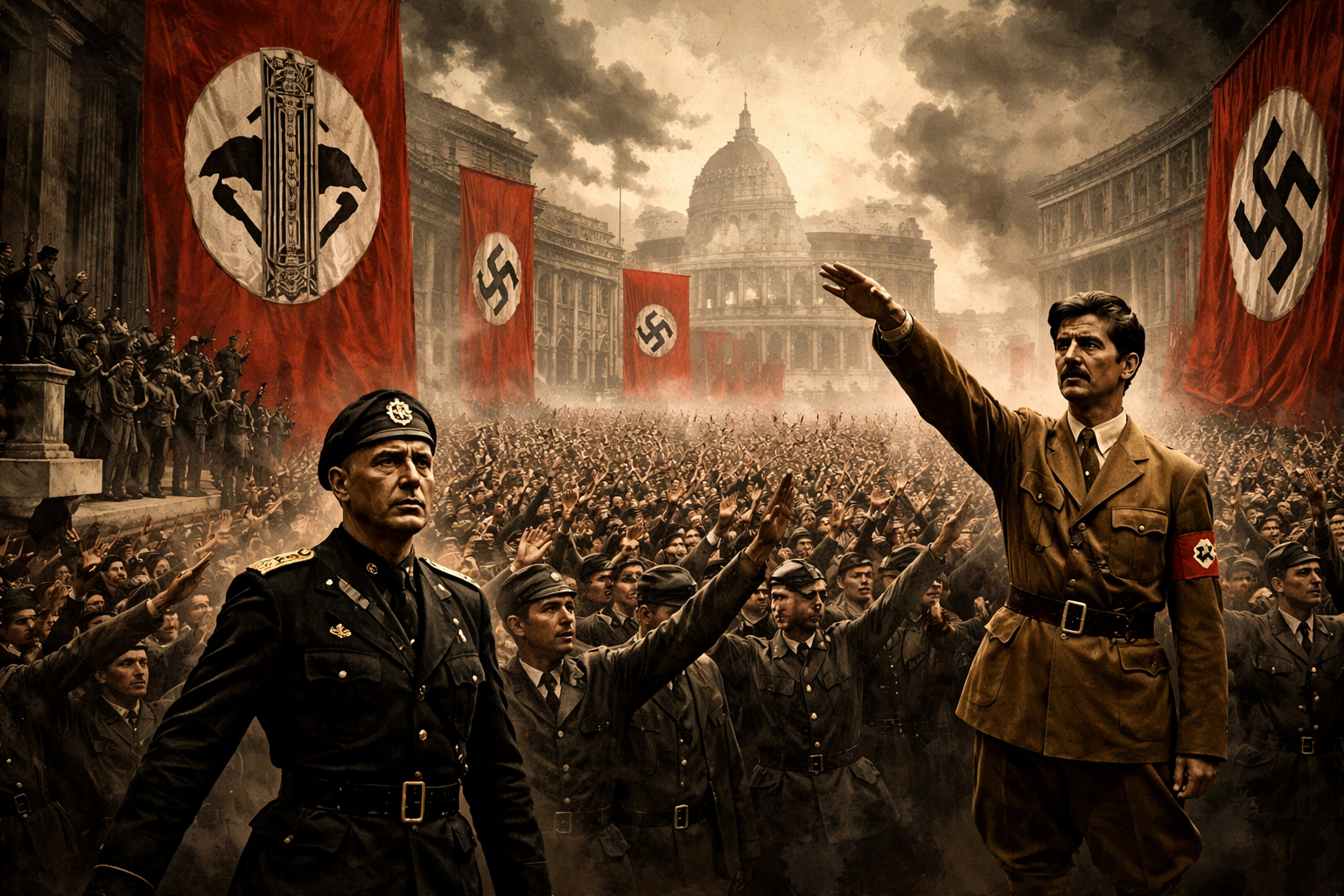
Det tyvende århundrede efterlod dybe ar i Europas politiske og moralske landskab. Blandt de mest skelsættende kræfter stod fascisterne, en bevægelse der forandrede nationer, brød demokratier ned og kastede millioner ud i krig og undertrykkelse. Deres fremmarch var ikke blot et politisk eksperiment, men et radikalt opgør med liberale værdier, parlamentarisk styre og individuelle rettigheder. I en tid præget af økonomisk krise, national ydmygelse og social uro fandt fascismen grobund, og fascisterne formåede at fremstille sig selv som nationens redning.
Men fascismen opstod ikke i et tomrum. Den voksede frem af konkrete historiske omstændigheder, dybe kulturelle strømninger og en bevidst manipulation af frygt og håb. For at forstå fascisterne må man se bag de ikoniske symboler og de militære marcher og undersøge den ideologiske kerne, de politiske strategier og de samfundsmæssige konsekvenser, der fulgte i deres kølvand. Det er en historie om magtens tiltrækning, om massepsykologi og om, hvor skrøbelig demokratiet kan være under pres.
What Is fascisterne
Fascisterne var tilhængere og aktører i den politiske ideologi kendt som fascisme, en autoritær og ultranationalistisk bevægelse, der opstod i Europa efter Første Verdenskrig. Fascismen blev først institutionaliseret i Italien under ledelse af Benito Mussolini i 1922 og fik senere sin mest ekstreme og katastrofale form i Tyskland under Adolf Hitler.
READ MORE: beit bart: The Quiet Rise of a Cultural Visionary in Motion
Fascisterne troede på en stærk, centraliseret stat ledet af én autoritær leder, der stod over politiske partier og demokratiske institutioner. De forkastede parlamentarisme, socialisme og liberalisme, som de anså for svage og splittende. I stedet hyldede de disciplin, national enhed og militær styrke. Staten blev ophøjet til et næsten helligt fællesskab, og individet havde kun værdi i kraft af sin loyalitet over for nationen.
Ideologisk var fascismen ikke altid konsekvent eller systematisk formuleret. Den var fleksibel og tilpassede sig nationale forhold, men dens kerne bestod af autoritarisme, massepropaganda, dyrkelse af lederen og en aggressiv nationalisme. Fascisterne skabte et politisk univers, hvor følelser og symboler ofte vejede tungere end rationel debat.
Historiske Rødder og Fremvækst
Fascisterne opstod i en tid, hvor Europa var præget af traumer. Første Verdenskrig havde kostet millioner livet og efterladt hele regioner i ruiner. I Italien følte mange, at landet var blevet snydt for territoriale gevinster trods sin sejr. I Tyskland blev nederlaget og den strenge fredsaftale oplevet som en national ydmygelse. Disse følelser blev dygtigt udnyttet af fascisterne, som lovede genoprejsning og national storhed.
I Italien organiserede Mussolini sine sortskjorter i paramilitære grupper, der angreb politiske modstandere og skabte kaos i gaderne. I 1922 marcherede de mod Rom, og kongen udnævnte Mussolini til regeringsleder i håb om at genoprette orden. I Tyskland voksede NSDAP frem som en massebevægelse i kølvandet på økonomisk kollaps og hyperinflation. Fascisterne fremstillede sig selv som et alternativ til både kommunisme og svagt demokrati.
Den økonomiske verdenskrise i 1930’erne blev en katalysator. Arbejdsløshed og social nød gjorde mange modtagelige for radikale løsninger. Fascisterne tilbød en fortælling om national genfødsel og et løfte om arbejde, stabilitet og stolthed. I en verden, hvor demokratiet virkede handlingslammet, fremstod den autoritære leder for nogle som en effektiv løsning.
Ideologiske Grundprincipper
Fascisterne byggede deres verdenssyn på forestillingen om, at samfundet skulle være organisk og hierarkisk. De afviste idéen om universelle menneskerettigheder og mente, at individets frihed måtte underordnes nationens behov. Staten blev set som en levende organisme, og enhver intern splittelse blev betragtet som en trussel.
Nationalisme var en drivkraft. Fascisterne dyrkede myter om en glorværdig fortid og lovede en ny æra af styrke og dominans. I Tyskland blev dette kombineret med en ekstrem racelære, hvor antisemitisme spillede en central rolle. Under Nazi-Tyskland blev jøder, romaer og andre minoriteter systematisk forfulgt og myrdet i det, der kulminerede i Holocaust.
Samtidig var fascismen dybt anti-liberal. Den afviste pressefrihed, uafhængige domstole og politisk pluralisme. Fascisterne mente, at en stærk leder – føreren eller duce – personificerede folkets vilje. Denne lederkult var ikke blot symbolsk; den gennemsyrede uddannelsessystem, kultur og medier.
Propaganda og Massepsykologi
En af fascisternes mest effektive redskaber var propaganda. De forstod betydningen af moderne massekommunikation og brugte radio, film og store offentlige arrangementer til at forme befolkningens opfattelse. I Tyskland blev propagandaministeriet ledet af Joseph Goebbels, som systematisk kontrollerede information og skabte en alternativ virkelighed, hvor regimet fremstod ufejlbarligt.
Propagandaen var ikke kun baseret på løgne, men også på følelsesmæssig appel. Fascisterne skabte en følelse af fællesskab gennem symboler, uniformer og ritualer. Store massestævner gav deltagerne en oplevelse af at være del af noget større end dem selv. Denne psykologiske dimension gjorde det vanskeligt for mange at se regimets brutalitet, fordi de oplevede en stærk identifikation med nationens projekt.
Samfundsstruktur og Kontrol
Fascisterne omformede samfundet for at sikre total kontrol. Politiske partier blev forbudt, fagforeninger opløst og erstattet af statskontrollerede organisationer. Uddannelsessystemet blev brugt til at indoktrinere unge med regimets værdier. Børn lærte at se lederen som en faderfigur og nationen som det højeste gode.
Overvågning og frygt var centrale elementer. I Tyskland spillede Gestapo en afgørende rolle i at undertrykke opposition. I Italien fungerede det hemmelige politi på lignende vis. Mange borgere tilpassede sig af frygt for repressalier, mens andre aktivt støttede regimet.
Økonomisk forsøgte fascisterne at skabe en form for korporativt system, hvor staten mæglede mellem arbejdsgivere og arbejdere. Officielt skulle dette eliminere klassekonflikter, men i praksis styrkede det statens kontrol og undertrykte uafhængig organisering.
Krig, Ekspansion og Katastrofe
Fascisternes ideologi var tæt knyttet til militarisme og ekspansion. I Italien førte dette til invasionen af Etiopien i 1935. I Tyskland blev drømmen om “lebensraum” – livsrum – en central drivkraft bag aggressiv udenrigspolitik. Disse ambitioner kulminerede i Anden Verdenskrig, en konflikt der kostede over 60 millioner mennesker livet.
Krigen afslørede fascismens brutale natur i fuldt omfang. Koncentrationslejre, massehenrettelser og total krigsførelse viste, hvordan fascisterne var villige til at tilsidesætte enhver moralsk grænse for at realisere deres vision. Nederlaget i 1945 betød ikke blot militært sammenbrud, men også en dyb moralsk og politisk diskreditering.
Arven efter fascisterne
Selv efter Anden Verdenskrigs afslutning forsvandt fascisterne ikke fuldstændigt fra den politiske scene. Ideologien blev officielt fordømt, men dens elementer har overlevet i forskellige former. I flere lande opstod højreekstreme grupper, der hentede inspiration fra fascistiske ideer, om end ofte i mere tilpassede eller skjulte versioner.
Arven efter fascisterne er også synlig i de internationale institutioner, der blev skabt for at forhindre gentagelser. Oprettelsen af FN og styrkelsen af menneskerettighedsregimer var direkte reaktioner på fascismens forbrydelser. Samtidig fungerer mindesmærker, museer og undervisning som en konstant påmindelse om, hvor farlig ekstrem nationalisme kan være.
I nutidens politiske klima diskuteres fascismens tegn og symboler fortsat. Selvom de historiske fascister opererede i en anden kontekst, minder deres historie os om, at demokrati kræver aktivt engagement og beskyttelse.
Conclusion
Fascisterne repræsenterer en af de mest skelsættende og mørke kapitler i moderne historie. Deres fremkomst var ikke uundgåelig, men et resultat af konkrete kriser, politiske fejl og menneskelig sårbarhed over for stærke fortællinger. De tilbød enkle løsninger på komplekse problemer og udnyttede frygt til at opbygge et totalitært system.
At forstå fascisterne handler ikke kun om at studere fortiden. Det handler om at erkende, hvordan demokratiske samfund kan svækkes indefra, og hvordan propaganda og polarisering kan underminere frihed. Historien viser, at når magt samles uden kontrol, og når kritik stemples som forræderi, kan konsekvenserne blive katastrofale.
Fascismens fald var en sejr for demokrati og menneskerettigheder, men dens arv minder os om, at disse værdier aldrig må tages for givet. Vigilans, historisk bevidsthed og respekt for pluralisme er afgørende værn mod gentagelse.
FAQs
Hvad var fascisterne kendt for?
Fascisterne var kendt for deres autoritære styreform, ekstreme nationalisme, undertrykkelse af politiske modstandere og i Tysklands tilfælde systematisk folkedrab under Holocaust.
Hvor opstod fascismen først?
Fascismen opstod først i Italien efter Første Verdenskrig og blev etableret som statsform under Benito Mussolini i 1922.
Var fascisterne det samme som nazisterne?
Nazisterne var en tysk variant af fascismen. Selvom der var forskelle, delte de centrale træk som autoritarisme, nationalisme og modstand mod demokrati.
Hvordan fik fascisterne magten?
Fascisterne udnyttede økonomiske kriser, politisk ustabilitet og folkelig utilfredshed. De kombinerede propaganda, vold og politiske alliancer for at opnå og konsolidere magten.
Findes fascistiske bevægelser i dag?
Direkte fascistiske regimer eksisterer ikke i dag, men visse ekstremistiske grupper og ideologier trækker stadig på elementer fra fascismen, hvilket gør historisk forståelse fortsat relevant.


Introduction
In the evolving landscape of digital entertainment, certain names rise beyond simple recognition and become symbols of broader cultural shifts. One such name is daylin ryder. More than a public persona, the name represents a complex intersection of branding, digital entrepreneurship, performance art, and modern audience psychology. In a time when online platforms shape fame and influence at unprecedented speed, figures like daylin ryder highlight how identity, visibility, and media consumption are constantly being redefined.
The modern entertainment ecosystem is no longer confined to traditional studios, casting agencies, or linear career paths. It thrives on autonomy, direct audience engagement, and personal branding. Within this ecosystem, daylin ryder has become associated with a new wave of performers who understand not only how to appear on screen, but how to cultivate a lasting digital presence. The discussion surrounding daylin ryder is not merely about popularity. It is about influence, strategy, and the mechanics of contemporary fame.
Understanding this phenomenon requires looking beyond surface impressions. It involves examining how branding works in adult entertainment, how digital platforms empower creators, and how audience relationships have changed. The name daylin ryder provides a compelling case study in how media personalities navigate visibility in a hyper-connected world.
What Is daylin ryder
What Is daylin ryder? The answer extends beyond a simple label. While widely recognized as a performer in the adult entertainment industry, daylin ryder also represents a digital-era model of content creation, audience engagement, and self-managed branding. In many ways, the name symbolizes how individual creators have gained unprecedented control over their careers through social media platforms, subscription-based content services, and direct-to-consumer interaction.
READ MORE: The Cultural Rise of doujen moe in Fan Art Worlds
Unlike traditional celebrity structures, where studios and agencies controlled image and distribution, performers in today’s landscape operate with a greater degree of independence. Daylin ryder fits within this modern framework, where visibility is not only about performance but about cultivating a recognizable identity across multiple digital channels. This includes curated social media presence, exclusive content platforms, and active engagement with followers.
The significance of daylin ryder lies in this layered presence. It is not just about appearances in specific productions, but about how a brand identity is constructed, maintained, and monetized in an era driven by attention economics. The name has become part of a broader conversation about autonomy, empowerment, and the transformation of entertainment through digital access.
The Rise of Independent Digital Performers
To fully grasp the cultural position of daylin ryder, it is essential to understand the transformation of the adult entertainment industry over the past decade. Historically, performers relied heavily on major production companies for exposure. Contracts dictated schedules, creative direction, and revenue streams. The internet disrupted that structure entirely.
The emergence of subscription-based platforms allowed performers to control their output, pricing, and interaction with fans. This shift dramatically changed the power dynamic. Creators became entrepreneurs. They began managing their own marketing, content distribution, and audience relationships. Daylin ryder emerged during this era of transition, benefiting from a system that rewards personal initiative and digital fluency.
This independence does not eliminate challenges. It introduces new responsibilities. Performers must think strategically about branding, audience retention, content frequency, and reputation management. The digital performer is not only an entertainer but also a marketer, strategist, and business owner. In that context, daylin ryder represents a generation of performers who adapted quickly to this entrepreneurial model.
Branding, Identity, and Audience Connection
One of the defining aspects of daylin ryder is the careful cultivation of identity. In digital spaces, authenticity is currency. Audiences expect relatability alongside performance. They want connection, personality, and consistency. This creates a unique balance between public persona and curated image.
Branding in adult entertainment differs from mainstream celebrity branding in subtle but significant ways. It often relies heavily on direct communication. Live streams, private messages, and personalized content blur the line between performer and audience. Daylin ryder operates within this framework, where audience loyalty is built through perceived intimacy and responsiveness.
The emotional component of digital engagement cannot be underestimated. Subscribers often feel invested in creators whose content they follow regularly. This connection is part of the economic model. It transforms passive consumption into interactive participation. In this sense, daylin ryder is not simply producing content but participating in a reciprocal relationship with a global audience.
Economic Impact and the Creator Economy
The financial structures behind figures like daylin ryder reveal a significant shift in how income is generated within entertainment. Subscription platforms provide recurring revenue models, allowing creators to predict and stabilize earnings. This differs sharply from the traditional pay-per-project system.
Revenue streams may include exclusive subscriptions, custom content requests, merchandise, live appearances, and collaborations. The diversification of income reduces reliance on a single source and increases financial autonomy. Daylin ryder’s career exemplifies how performers can leverage digital tools to create sustainable economic ecosystems around their personal brand.
This economic independence also shifts the conversation about empowerment. While the adult industry has historically been viewed through narrow lenses, the rise of self-managed performers challenges those perceptions. It reframes performers as business operators who control pricing, production schedules, and creative direction.
However, autonomy also means exposure to market volatility. Algorithms change. Platform policies evolve. Audience tastes shift quickly. Sustaining relevance requires adaptability and continuous innovation. In this fast-moving environment, maintaining visibility becomes an ongoing strategic effort.
Public Perception and Cultural Debate
Public discussion around daylin ryder is often shaped by broader debates about adult entertainment in the digital age. The normalization of subscription-based adult content has sparked conversations about morality, empowerment, labor rights, and social stigma. These debates rarely focus on one individual, but figures like daylin ryder inevitably become part of the larger narrative.
Cultural attitudes toward adult performers remain complex. On one hand, digital platforms have reduced barriers and democratized access. On the other hand, social stigma persists. Performers navigate admiration, criticism, and curiosity simultaneously. This duality influences how public figures manage their image and communicate with audiences.
Daylin ryder’s presence within this discourse highlights the tension between private choice and public perception. In a society that consumes digital content at unprecedented rates, conversations about agency, consent, and entrepreneurship are becoming more nuanced. The discussion is no longer limited to simplistic judgments but increasingly explores the structural realities of digital labor.
The Psychology of Digital Fame
Fame in the digital era operates differently from traditional celebrity culture. It is immediate, data-driven, and intensely interactive. Metrics such as views, subscriptions, and engagement rates provide constant feedback. For performers like daylin ryder, this creates a unique psychological environment.
The instant visibility offered by online platforms can be empowering, but it also demands resilience. Online audiences can be supportive and loyal, yet unpredictable. Managing public commentary, maintaining boundaries, and protecting mental well-being are ongoing challenges.
At the same time, digital fame fosters strong communities. Fans who subscribe and interact regularly often develop a sense of belonging. This creates micro-communities centered around creators. Daylin ryder’s career illustrates how these communities function as both emotional support systems and economic drivers.
The psychology of this environment requires careful balance. Authentic engagement must coexist with personal boundaries. The line between performance and private life can blur if not intentionally managed. Navigating that boundary is part of sustaining a long-term presence.
Media Representation and Narrative Control
Traditional media often framed adult performers through narrow narratives. However, the digital age allows greater narrative control. Creators can tell their own stories through social media, interviews, and direct communication. This shift has redefined how public figures like daylin ryder present themselves.
Narrative control extends beyond content production. It includes tone, messaging, and public positioning. By communicating directly with audiences, performers bypass intermediaries who once shaped public perception. This autonomy strengthens brand coherence and reduces misrepresentation.
Daylin ryder’s ability to maintain a recognizable identity across platforms reflects this control. In a fragmented media environment, consistency becomes a competitive advantage. Audiences gravitate toward creators who project clarity and confidence in their brand identity.
Challenges in a Rapidly Changing Industry
Despite its opportunities, the digital adult industry remains volatile. Platform regulations can shift unexpectedly. Payment processing policies may tighten. Social media algorithms can reduce reach overnight. These structural uncertainties impact performers across the board, including daylin ryder.
Adaptability becomes essential. Diversifying platforms, building independent mailing lists, and fostering loyal communities help mitigate risk. Performers must stay informed about policy changes and technological shifts. The modern creator is part entertainer, part strategist, part risk manager.
Competition also intensifies as entry barriers remain low. New creators join daily, increasing content saturation. Standing out requires innovation, strong branding, and consistent engagement. Longevity depends not only on popularity but on strategic planning.
The Broader Significance of daylin ryder
When examining daylin ryder within the context of digital transformation, it becomes clear that the name represents more than an individual career. It symbolizes the restructuring of entertainment itself. Control has shifted toward creators. Audiences have become direct participants in funding and sustaining content.
The broader significance lies in how this model influences other industries. Musicians, fitness trainers, educators, and artists increasingly adopt subscription-based approaches similar to those seen in adult entertainment. The creator economy’s blueprint has expanded beyond its original boundaries.
Daylin ryder’s trajectory reflects this broader movement. It highlights how individuals can leverage digital tools to craft independent careers, build dedicated audiences, and maintain creative control. The implications reach far beyond a single niche.
Conclusion
The story of daylin ryder is not simply about performance or popularity. It is about transformation. It reveals how digital platforms have redefined power structures within entertainment, placing control directly in the hands of creators. Through strategic branding, audience engagement, and entrepreneurial adaptability, figures like daylin ryder demonstrate how modern fame operates.
This evolution has sparked debates, challenged assumptions, and opened new economic pathways. It has also exposed the complexities of digital labor and public perception. As the creator economy continues to expand, the model represented by daylin ryder will likely remain relevant.
Ultimately, the significance lies in understanding how identity, media, and commerce intersect in today’s world. The digital era rewards those who adapt quickly, communicate authentically, and think strategically. In that sense, daylin ryder stands as a compelling example of how entertainment has been reshaped for a new generation.
FAQs
What industry is daylin ryder primarily associated with?
Daylin ryder is primarily associated with the adult entertainment industry, particularly within the modern digital creator ecosystem that emphasizes independent content distribution and subscription-based platforms.
How does daylin ryder represent the creator economy?
Daylin ryder exemplifies the creator economy by leveraging digital platforms to manage branding, content production, and direct audience engagement without relying solely on traditional production studios.
Why is digital branding important for performers like daylin ryder?
Digital branding allows performers to maintain consistent identity, build loyal communities, and create diversified income streams, all of which are essential for long-term sustainability in a competitive environment.
What challenges do digital performers face today?
Digital performers face challenges such as platform policy changes, market saturation, social stigma, and the psychological demands of constant online visibility.
What broader impact does daylin ryder have on media culture?
Daylin ryder represents a broader cultural shift toward independent digital entrepreneurship, demonstrating how creators can control their narratives and build sustainable careers through direct audience relationships.
Introduction
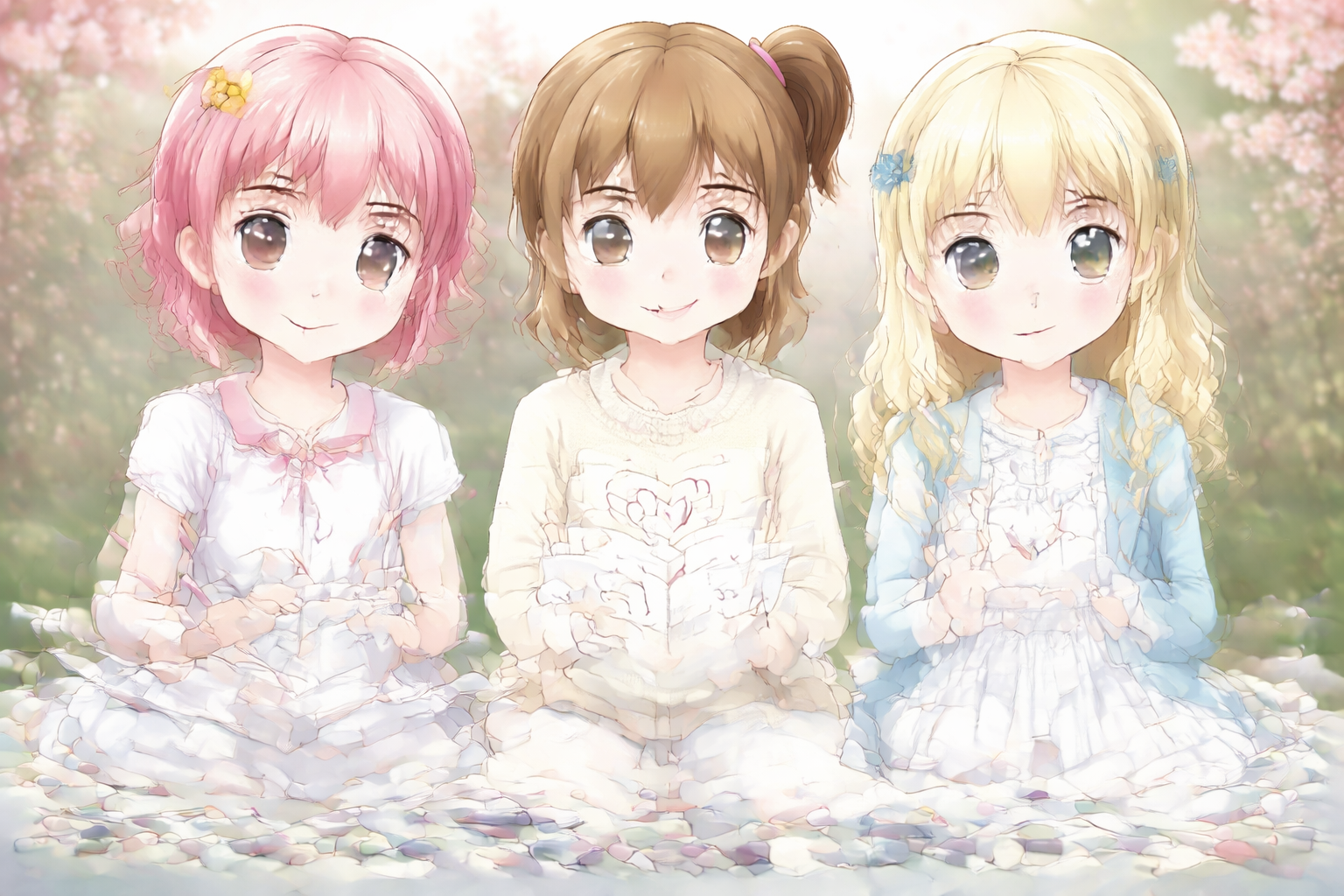
Across the vast landscape of anime and manga fandom, few creative movements have carried as much emotional resonance as doujen moe. It is not simply a visual style or a passing trend; it is a reflection of how fans reinterpret beloved characters through softness, innocence, and emotional intimacy. Emerging from grassroots fan communities, this aesthetic has grown into a cultural language understood across continents. It speaks in wide eyes, gentle expressions, pastel palettes, and heartfelt storytelling.
To understand doujen moe is to understand a deeper current within fan culture itself. It thrives in small artist circles, independent publications, digital galleries, and convention halls buzzing with excitement. While the mainstream entertainment industry often focuses on spectacle and scale, doujen moe flourishes in personal spaces, where individual creators reshape fictional worlds in tender and imaginative ways. It stands at the intersection of devotion, artistry, and emotional storytelling, offering something uniquely intimate within modern pop culture.
What Is doujen moe
At its core, doujen moe refers to a fan-created artistic expression that combines the independent spirit of doujin culture with the emotionally evocative qualities of moe aesthetics. Doujin traditionally describes self-published works, often created by fans who reinterpret existing characters or build entirely new narratives outside mainstream publishing structures. Moe, meanwhile, represents a deep emotional affection for fictional characters, usually expressed through traits like innocence, vulnerability, sweetness, or youthful charm.
READ MORE: goldzeus Redefining Digital Gold Ownership in Modern Finance
When these two elements merge, doujen moe emerges as a distinctive form of fan creativity. It centers on portraying characters in a way that intensifies their emotional appeal. This might involve softer line work, larger and more expressive eyes, warmer color tones, or narratives that emphasize friendship, longing, or quiet romance. Unlike commercial anime productions that must balance broad audience expectations, doujen moe often feels personal and unfiltered, shaped by the creator’s genuine attachment to the characters.
The defining feature of doujen moe is not explicit content or sensationalism. Rather, it is sincerity. Artists who embrace doujen moe typically aim to deepen emotional connection, not shock value. They explore the subtle spaces between dialogue lines, the imagined backstories, the quiet moments never shown on screen. In doing so, they create works that resonate deeply with fellow fans who share similar affections.
Historical Roots in Doujin Culture
The foundation of doujen moe lies in Japan’s long-standing doujin tradition, which gained significant momentum in the late twentieth century. Events such as fan conventions created platforms for independent creators to distribute their self-published manga and art books. These gatherings allowed enthusiasts to reinterpret popular series through their own artistic lenses.
While early doujin works covered a broad range of genres, the rise of moe aesthetics in the 1990s and early 2000s strongly influenced the tone of fan creations. As character-driven storytelling became increasingly popular in mainstream anime, fans responded by emphasizing emotional softness and charm in their own works. This shift gave birth to what we now recognize as doujen moe.
Interestingly, the growth of digital tools accelerated this transformation. As illustration software became more accessible, artists were able to refine their techniques and distribute their work online. The internet dissolved geographical barriers, allowing doujen moe to expand beyond Japan and influence global fan communities. Artists from Southeast Asia, North America, and Europe began incorporating similar aesthetics into their own interpretations of anime-style art.
The Aesthetic Language of Emotion
One of the most compelling aspects of doujen moe is its visual language. It relies on subtle cues that evoke tenderness and relatability. Characters are often drawn with rounded facial features, gentle smiles, and expressive body language that conveys vulnerability. The color schemes frequently lean toward soft pastels, warm pinks, light blues, and creamy highlights that create an atmosphere of comfort.
But doujen moe is not merely about cuteness. It is about emotional proximity. The characters often appear in intimate, everyday situations rather than dramatic action scenes. A shared umbrella in the rain, a quiet library conversation, or a sleepy morning exchange can become the centerpiece of a story. These ordinary moments are elevated into emotionally meaningful experiences.
This aesthetic also allows for reinterpretation. A character originally portrayed as strong or stoic in official material may be reimagined in a gentler, more emotionally open form. This flexibility gives creators room to explore different dimensions of personality, adding layers that official narratives may not fully explore.
Psychological Appeal and Emotional Connection
The appeal of doujen moe is deeply psychological. Human beings are wired to respond to expressions of vulnerability and warmth. The exaggerated innocence often associated with moe aesthetics triggers feelings of protection, affection, and empathy. When fans already feel attached to a character, seeing them portrayed in a softer, more intimate light intensifies that bond.
In many ways, doujen moe acts as emotional amplification. It magnifies the qualities that fans cherish most. For some, it provides comfort during stressful periods. For others, it becomes a creative outlet where affection can be transformed into art. The act of creating or consuming doujen moe content fosters a sense of belonging within a community of like-minded enthusiasts.
Moreover, this aesthetic can function as a safe space for exploring emotions. Through fictional characters, fans can navigate themes of longing, friendship, or romantic tension without the complications of real-world vulnerability. The fictional layer provides distance, while the emotional sincerity remains intact.
Community, Collaboration, and Digital Evolution
The growth of doujen moe has been inseparable from online communities. Social platforms, digital art forums, and independent publishing websites have given creators unprecedented freedom to share their work. What once required physical printing and convention attendance can now reach thousands of viewers instantly.
This digital evolution has encouraged collaboration. Artists collaborate on themed collections, exchange reinterpretations, and inspire one another through stylistic experimentation. The communal nature of doujen moe reinforces its emotional core. It is not only about individual affection for a character but also about shared enthusiasm among fans.
Another interesting development is the blending of global influences. While rooted in Japanese doujin traditions, doujen moe now reflects diverse cultural aesthetics. Artists incorporate Western illustration techniques, Korean webtoon influences, and even traditional art motifs from various regions. This cross-pollination keeps the style dynamic and evolving.
Influence on Independent Publishing and Creative Careers
Although doujen moe began as a purely fan-driven movement, its influence has extended into professional creative spaces. Many artists who started by creating fan-based doujin works have transitioned into commercial illustration, game design, or animation. Their early experiments with doujen moe helped them develop a strong sense of character-driven storytelling.
Publishers and media companies have also observed the popularity of this aesthetic. Character designs in certain commercial projects increasingly reflect softer features and emotionally expressive traits reminiscent of doujen moe. While corporate adaptations may lack the raw intimacy of independent creations, they demonstrate how grassroots creativity can shape broader industry trends.
Importantly, doujen moe remains anchored in independence. Even as some artists achieve professional recognition, many continue producing personal works outside commercial constraints. This balance preserves the authenticity that defines the movement.
Cultural Perception and Misunderstandings
Despite its warmth and creativity, doujen moe is sometimes misunderstood. Outsiders unfamiliar with anime culture may reduce it to superficial cuteness without recognizing its emotional nuance. Others mistakenly conflate all doujin-related content with adult material, overlooking the wide range of wholesome and character-focused works that dominate the scene.
In reality, doujen moe encompasses a broad spectrum of themes. While some works explore romantic tension, many focus on friendship, slice-of-life scenarios, or pure emotional introspection. The heart of the movement lies in affectionate reinterpretation rather than explicit sensationalism.
Understanding this distinction is essential for appreciating its cultural significance. Doujen moe reflects the power of fandom not just as consumption but as creation. It demonstrates how audiences actively participate in shaping the emotional legacy of the stories they love.
The Future of doujen moe
As technology continues to evolve, the future of doujen moe appears vibrant and adaptable. Virtual reality spaces, interactive storytelling platforms, and digital art marketplaces are expanding the possibilities for independent creators. Artists can experiment with animated loops, immersive environments, and multimedia storytelling while maintaining the emotional softness that defines the style.
Artificial intelligence tools and advanced design software may alter workflows, but the essence of doujen moe will likely remain human-driven. Its strength lies in genuine emotional investment. No matter how sophisticated technology becomes, the heartfelt affection that fuels these creations cannot be replicated without personal connection.
The global fan community continues to grow, bringing fresh perspectives and reinterpretations. This ensures that doujen moe will not stagnate but evolve, absorbing new influences while preserving its core emotional identity.
Conclusion
Doujen moe stands as a testament to the transformative power of fan creativity. It bridges personal emotion and artistic expression, turning affection into visual storytelling that resonates across cultures. Far from being a fleeting aesthetic, it represents a deeply rooted cultural practice that celebrates connection, imagination, and community.
Through independent publishing, digital collaboration, and heartfelt reinterpretation, doujen moe has carved out a lasting space within contemporary fandom. Its softness is not weakness but strength. It reminds us that storytelling does not always need spectacle to leave an impact. Sometimes, the quietest moments, drawn with care and genuine feeling, speak the loudest.
FAQs
What makes doujen moe different from mainstream anime art styles?
Doujen moe is shaped by independent creators rather than production committees. It emphasizes emotional intimacy and affectionate reinterpretation, often exploring softer or more vulnerable aspects of characters that mainstream works may not highlight.
Is doujen moe always romantic in nature?
No, doujen moe does not exclusively focus on romance. While some works explore gentle romantic dynamics, many center on friendship, slice-of-life storytelling, or emotional introspection. The defining feature is emotional warmth, not a specific genre.
Do artists need professional training to create doujen moe?
Professional training is not required. Many creators begin as hobbyists driven by passion for their favorite characters. Over time, consistent practice and community feedback often refine their skills significantly.
Why has doujen moe gained international popularity?
The universal appeal of emotional storytelling plays a major role. Digital platforms allow artists worldwide to share and discover work easily, enabling the aesthetic to cross cultural and linguistic boundaries.
Can doujen moe influence commercial media?
Yes, elements of doujen moe have influenced character design and narrative tone in certain commercial projects. The emotional softness and character-focused storytelling developed in fan communities sometimes inspire broader creative trends.
-

 Biography2 days ago
beit bart: The Quiet Rise of a Cultural Visionary in Motion!
-
 Blogs12 hours ago
The Cultural Rise of doujen moe in Fan Art Worlds
-

 Business2 days ago
mariano iduba: Architect of Purposeful Change Today Globally
-
 Business12 hours ago
goldzeus Redefining Digital Gold Ownership in Modern Finance
-

 Blogs12 hours ago
daylin ryder: Influence, Image, and Impact Unveiled in Media
-
 Tech13 hours ago
zvideo: The Emerging Frontier of Digital Viewing
-
 Entertainment2 days ago
readmymanga com: The Hidden World Behind Manga Access
-

 Tech8 hours ago
264.68.111.161 and the Limits of IPv4 Addressing Explained.!